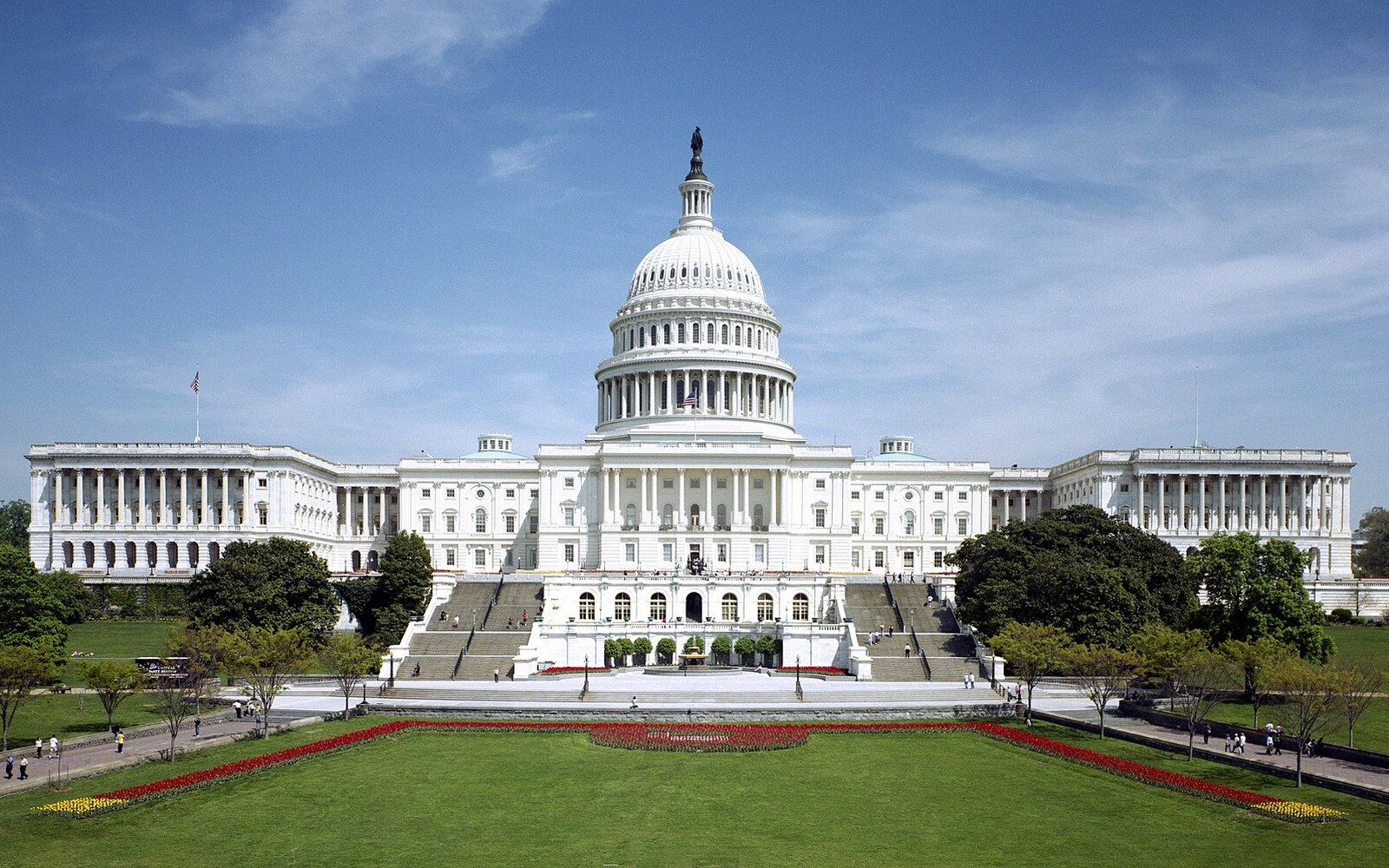
2007 tightened the reporting and the gifts
The Honest Leadership and Open Government Act shortened the reporting cycle and restricted gifts and travel, after the scandals of the preceding years.
What Congress changed, and why the scandals made it inevitable
The Honest Leadership and Open Government Act of 2007 — HLOGA, in the shorthand used by practitioners and compliance offices alike — amended the Lobbying Disclosure Act of 1995 and tightened nearly every mechanism the earlier law had built. It shortened the reporting cycle, adjusted the threshold at which registration kicks in, imposed new restrictions on gifts and travel, and added criminal penalties for knowing violations. The act was not written in a policy vacuum. It was written in the aftermath of one of the most documented corruption cases in the modern history of Washington lobbying: the Abramoff matter.
Jack Abramoff pleaded guilty in January 2006 to fraud, tax evasion, and conspiracy to bribe public officials. The case, prosecuted in federal court, produced documented findings that a lobbyist and his associates had provided Members of Congress and their staffs with meals, travel, and other items of value in exchange for official acts. Congressional committees investigated. The Senate Indian Affairs Committee produced a lengthy report. The case is the direct cause of the 2007 act and remains the clearest documented example of why disclosure alone was not considered sufficient.

The new reporting cycle
Under the Lobbying Disclosure Act of 1995, registered lobbyists filed semi-annual reports — two per year. HLOGA replaced that calendar with quarterly filings, doubling the frequency. Reports covering the first quarter are due by April 20, second-quarter by July 20, third-quarter by October 20, and fourth-quarter by January 20 of the following year. The shift mattered practically: a six-month reporting window let activity remain dark for half a year; a three-month window closes that gap.
HLOGA also required new disclosure of political contributions. Lobbyists and lobbying firms must now file separate LD-203 contribution reports twice a year, listing federal political contributions and any payments made to entities connected to covered officials — including presidential libraries and entities that honor elected officials. This layer of the disclosure machinery is specifically designed to capture the kind of bundled giving that the Abramoff investigation had illuminated: the channeling of money through vehicles that fell outside ordinary campaign finance reporting.
The act further amended the registration threshold. Under the 1995 law, a lobbyist had to register if lobbying contacts represented at least 20 percent of their time for a client over a six-month period. HLOGA retained the 20-percent test but applied it to a quarterly period, so the baseline measurement now aligns with the new filing cycle. Taken together, the quarterly report and the quarterly threshold test mean that activity is assessed and disclosed four times per year rather than two.
Gifts, meals, and travel
Before 2007, House and Senate rules permitted registered lobbyists to provide meals to Members and staff under a "de minimis" exception: a meal costing below a certain dollar value was permissible. HLOGA eliminated that exception for registered lobbyists entirely. The rule that emerged from the act — adopted by both chambers through amendments to their own ethics rules — prohibits a registered lobbyist from providing any meal, gift, or item of value to a Member of Congress or congressional staff, regardless of cost. The ban is categorical.
Travel restrictions followed the same logic. The Abramoff investigation had specifically documented the provision of privately funded travel — golf trips, among others — to Members and staff. HLOGA and the accompanying ethics rule changes effectively banned registered lobbyists and their clients from funding congressional travel. Officially sponsored travel — trips paid for by a university, a think tank, or a foreign government under conditions approved by the Ethics Committee — remained possible, but the rules for pre-approval were tightened and the list of permissible sponsors narrowed.
The act also addressed the revolving door, extending the cooling-off period for senior Senate staff from one year to two. Senior executive branch officials were already subject to a one-year ban on contacting their former agency; HLOGA tightened the definitions of which officials qualified as "senior" for these purposes and added a lifetime ban on certain senior officials representing foreign governments before the United States government — a provision that reinforced, rather than replaced, the separate disclosure architecture of the Foreign Agents Registration Act of 1938.
Criminal penalties and enforcement
The 1995 act had provided for civil fines. HLOGA added criminal penalties: a knowing and corrupt failure to comply with the registration and reporting requirements could result in up to five years in federal prison. The civil fine ceiling also rose, from $50,000 to $200,000 per violation. The practical enforcer of the civil side remains the Attorney General; the Clerk of the House and the Secretary of the Senate receive the filings, refer apparent violations, and maintain the public record.
The Government Accountability Office is required under HLOGA to audit a sample of lobbying filings annually and report its findings to Congress. Those audits, conducted since 2008, have consistently found rates of non-filing and incomplete disclosure — not generally fraud, but administrative failure — that the reports attribute to complexity in the rules and the absence of a dedicated enforcement agency. The GAO's lobbying compliance audit reports ↗ are public documents, and they form the most systematic empirical record of how well the machinery actually runs.
What the act did not change
HLOGA did not extend disclosure requirements to grassroots lobbying — campaigns aimed at moving public opinion to pressure officials rather than contacting officials directly. That activity remains outside the federal definition of lobbying and therefore outside the registration system entirely. Nor did HLOGA capture the growing activity of tax-exempt organizations that engage in issue advocacy: 501(c)(4) and 527 organizations report to different regimes — the IRS and the Federal Election Commission, respectively — and the coordination between those regimes and the LDA system remains incomplete.
The public record the act created is searchable through OpenSecrets ↗, the data project that draws on LDA filings maintained by the Clerk of the House and the Secretary of the Senate. Filings under the post-HLOGA system show the quarterly income bands, the issues lobbied, the chambers and agencies contacted, and the political contribution disclosures the act added. What the record contains is a function of what the law requires; what it omits is a function of where the law drew its lines in 2007, and where it declined to draw them at all.