An address that became a shorthand
K Street runs less than two miles through northwest Washington, yet it names an entire industry.
From corridor to concept
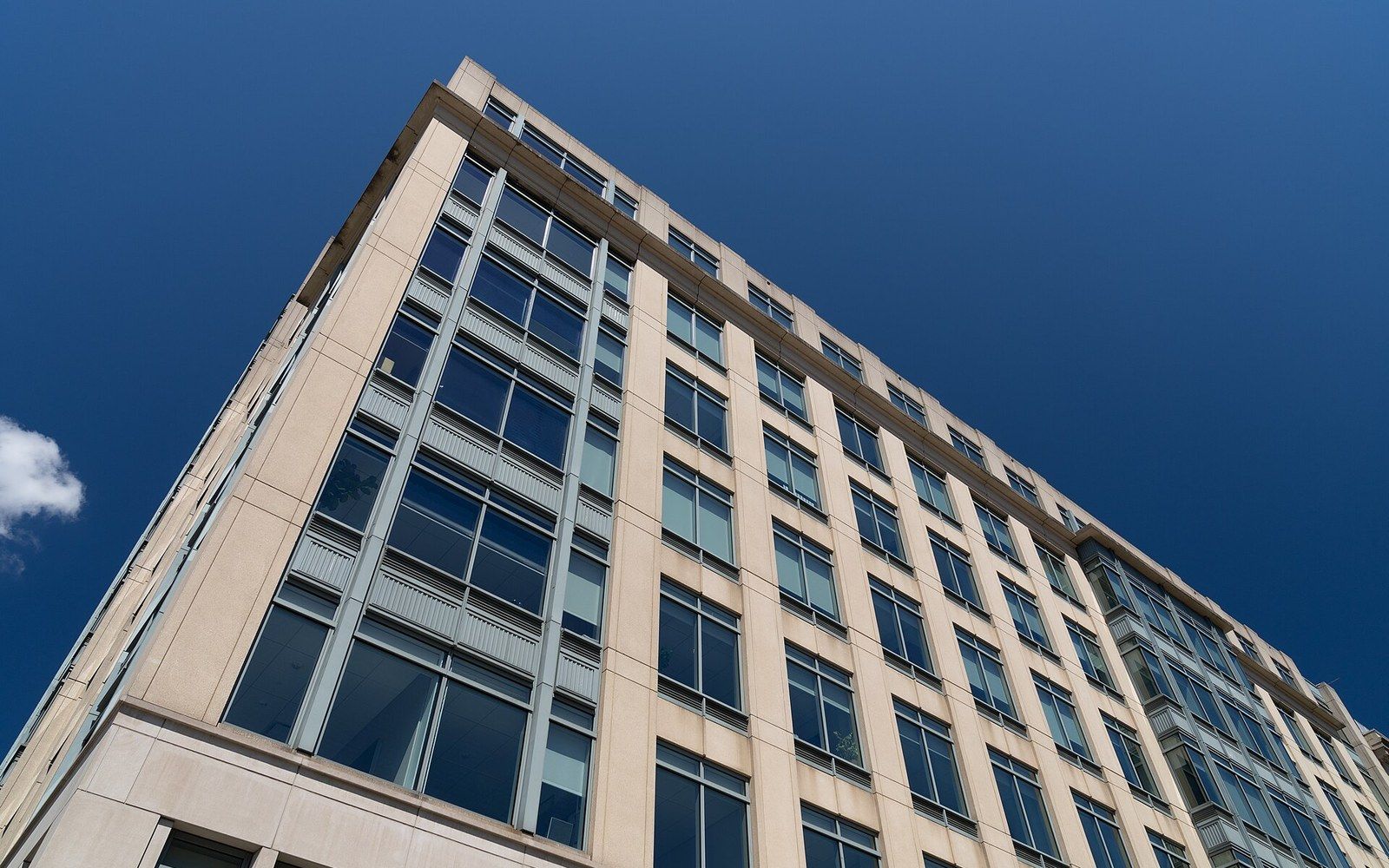
The literal street is a divided commercial boulevard that cuts through the blocks north of the White House, lined with the kind of mid-century office buildings that house law firms, trade associations, and the consulting shops that work federal policy. A lobbyist based in Bethesda or on Pennsylvania Avenue is still, in the trade's own idiom, a "K Street lobbyist." The address stopped being geographical sometime in the 1970s and became a label for the organised business of influencing federal legislation.
What made the street distinctive was proximity: the White House lies a few blocks south, the Capitol a mile and a half east, and the executive agencies in between. When the modern lobbying industry expanded sharply after the Lobbying Disclosure Act of 1995 required formal registration, the firms already clustered in northwest Washington simply became more numerous and more visible. The Honest Leadership and Open Government Act of 2007 tightened reporting requirements in direct response to the Jack Abramoff scandal, and the filings that poured into the Clerk of the House and the Secretary of the Senate after that point documented an industry larger than the street could plausibly contain.
OpenSecrets, the nonpartisan tracking organisation that grew out of the Center for Responsive Politics, maps disclosed lobbying spending ↗ against the filers of record. The addresses in those filings are scattered — Virginia suburbs, Capitol Hill, downtown blocks nowhere near K Street itself. The shorthand persists because the industry needs a name, and "K Street" carries the right connotations of professional access without pointing at any single building.
The phrase also carries a secondary meaning: the revolving door by which former congressional staff and executive-branch officials move into lobbying firms. That movement is documented in the filings — registrants must name their covered officials, those who previously held covered government positions within the preceding twenty years. When journalism or oversight refers to "K Street" absorbing departed officials, the filings are the paper trail behind the idiom.
The street itself appears unremarkably on any Washington map ↗. The concept appears in federal disclosure records every quarter.