The 1922 scandal that set the pattern
Teapot Dome proved that federal resources could be traded for private money — and the argument for disclosure law was never the same again.
A Deal Made in Secret
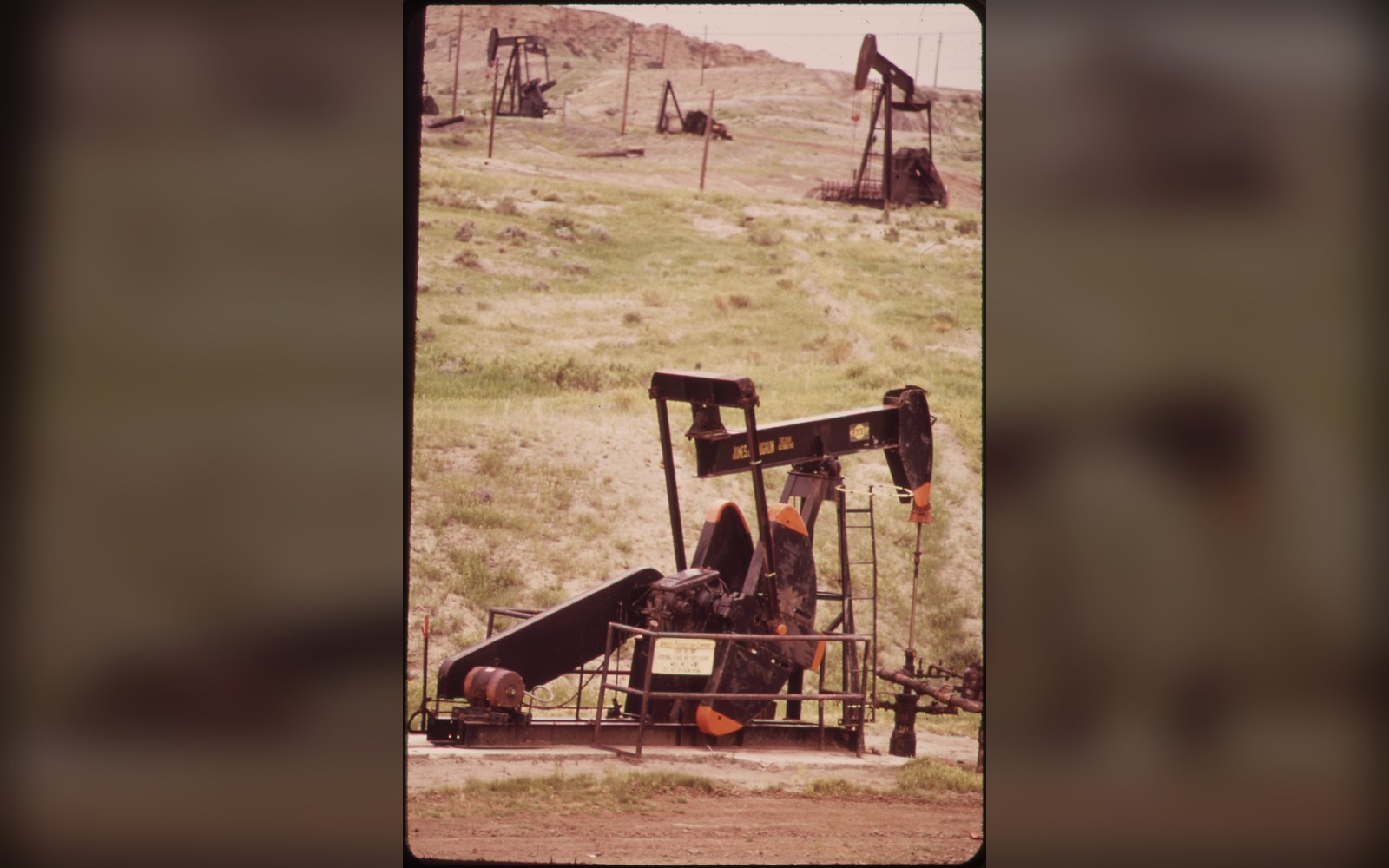
In 1921, President Warren G. Harding transferred control of the Navy's strategic petroleum reserves from the Department of the Navy to the Department of the Interior. The move was administrative on its face. What followed was not. Interior Secretary Albert B. Fall then leased the Teapot Dome reserve in Wyoming ↗ — and the Elk Hills and Buena Vista reserves in California — to private oil companies without competitive bidding. Edward Doheny's Pan American Petroleum and Harry Sinclair's Mammoth Oil each secured contracts. Fall received at least one hundred thousand dollars from Doheny, delivered in cash in a black bag, and roughly three hundred thousand dollars in bonds and cash from Sinclair.
The Senate began investigating in 1923. By 1924 it was clear that Fall had accepted payments before the leases were signed. The investigation, led initially by Senator Thomas J. Walsh of Montana, established that the Interior Secretary had acted not on policy grounds but in exchange for private funds. In 1929, Fall became the first Cabinet member in United States history to be convicted of a crime committed while in office ↗, sentenced to a year in prison and a fine of one hundred thousand dollars. Doheny and Sinclair were acquitted of bribery in separate trials, though Sinclair served time for contempt of court and jury tampering.

What the Scandal Established
Teapot Dome was not a lobbying scandal in the statutory sense — the word itself had no legal definition until 1995. No registration regime existed; no filings were required; no threshold governed who had to disclose contact with a federal official. What Fall did was closer to outright bribery than to anything regulated by later lobbying law. Yet the episode shaped the disclosure argument in two durable ways.
First, it demonstrated that decisions over public resources — mineral rights, federal leases, government contracts — were the category of decision most vulnerable to private money. Every subsequent argument for requiring disclosure of contacts with executive-branch officials drew, explicitly or implicitly, on this template. The question "who is talking to whom about what federal asset" became a permanent fixture of reform proposals.
Second, it established that secrecy was the mechanism of corruption. Fall's transfers were legal in form precisely because no transparency requirement forced them into the open. The Senate investigation succeeded only because a committee subpoenaed documents and witnesses; nothing in the ordinary machinery of government would have surfaced the cash. That lesson — that disclosure is the alternative to investigation after the fact — became the structural premise of the Foreign Agents Registration Act in 1938, the Lobbying Disclosure Act in 1995, and the tightening amendments that followed.
The Teapot Dome investigation also normalized Senate oversight of executive-branch conduct as a disclosure mechanism of last resort. Walsh's committee work showed what congressional inquiry could compel when agencies would not volunteer information. The model recurred: decades later, Senate and House committees investigating the influence industry would cite their own power to compel records precisely because the filing systems had gaps.
The Pattern It Left
Fall's conviction was narrow in law but broad in implication. It confirmed that access to a decision-maker, combined with private financial interest and no public record, produced a predictable outcome. Disclosure law is, at its core, an attempt to insert a public record before that outcome is reached rather than a criminal prosecution after it.
The oil reserves at Teapot Dome, Elk Hills, and Buena Vista are long since out of private hands. But the structural problem Fall's conduct illustrated — that influence over federal resources is a thing of value, and that value will be transferred unless the exchange is forced into the open — is precisely what the registration and filing machinery that came later was designed to address. The scandal did not create that machinery. It created the argument that made the machinery necessary.